

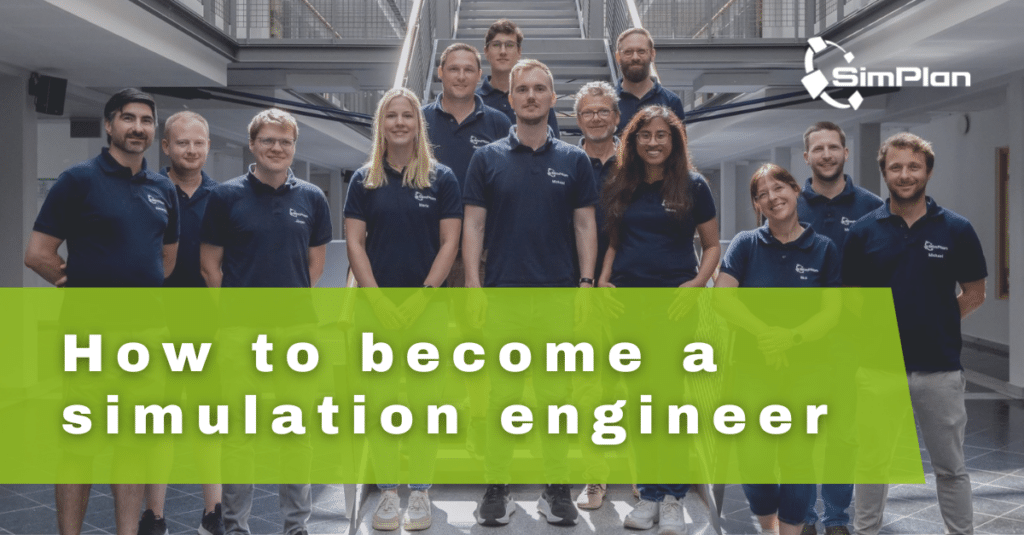
Digital factories. Real-world challenges. Your introduction to simulation.
Would you like to work with programming, maths and modern technologies, whilst seeing the difference your work makes in practice? Then simulation could be just the thing for you.
As a simulation engineer, you’ll develop digital models of factories, logistics centres and production systems. You’ll analyse processes, test various scenarios and help companies make informed decisions even before machines are built or facilities are retrofitted.
Whether it’s the automotive, aviation, healthcare or e-commerce sectors: every project is different, and that’s exactly what makes this profession so exciting.
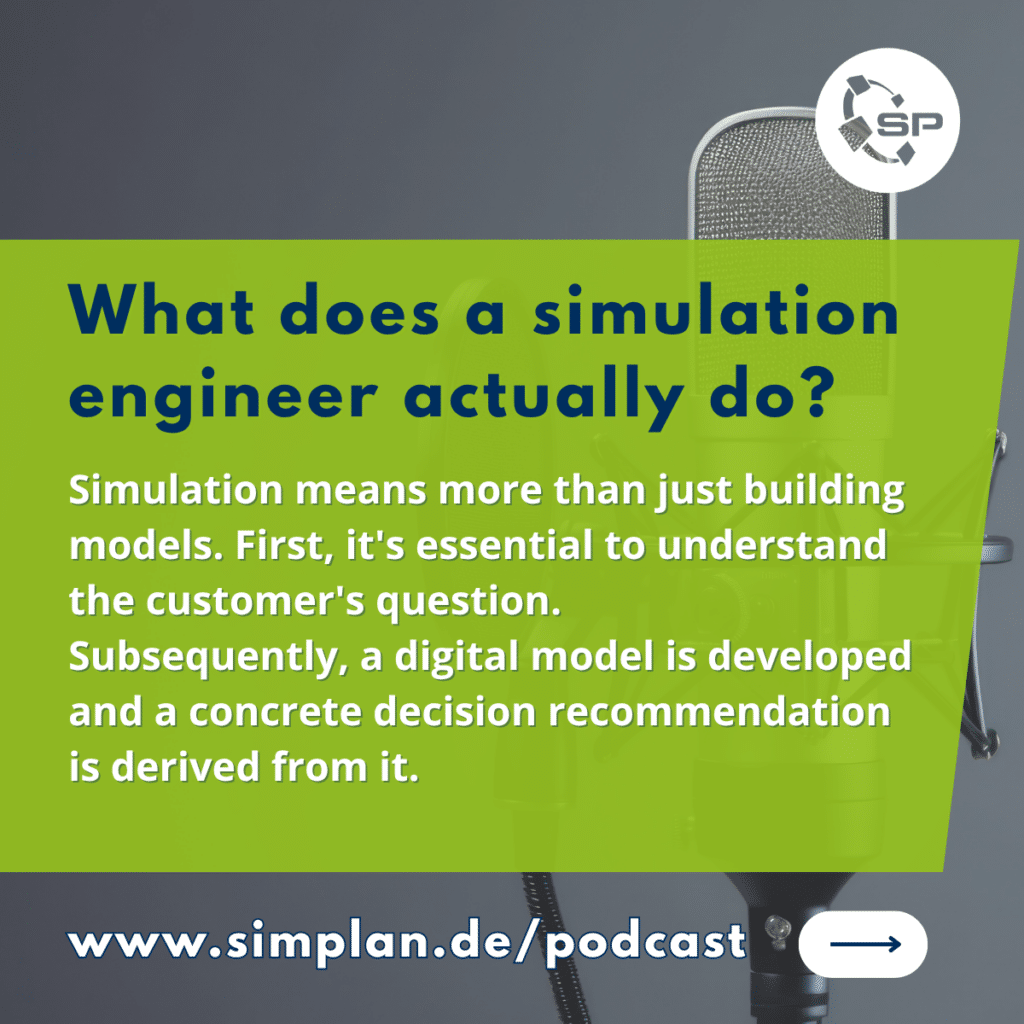
What does a simulation engineer actually do?
Simulation combines technology, programming and consultancy. A real-world problem is transformed into a digital model that can be used to analyse processes and support decision-making.
Is simulation right for you?
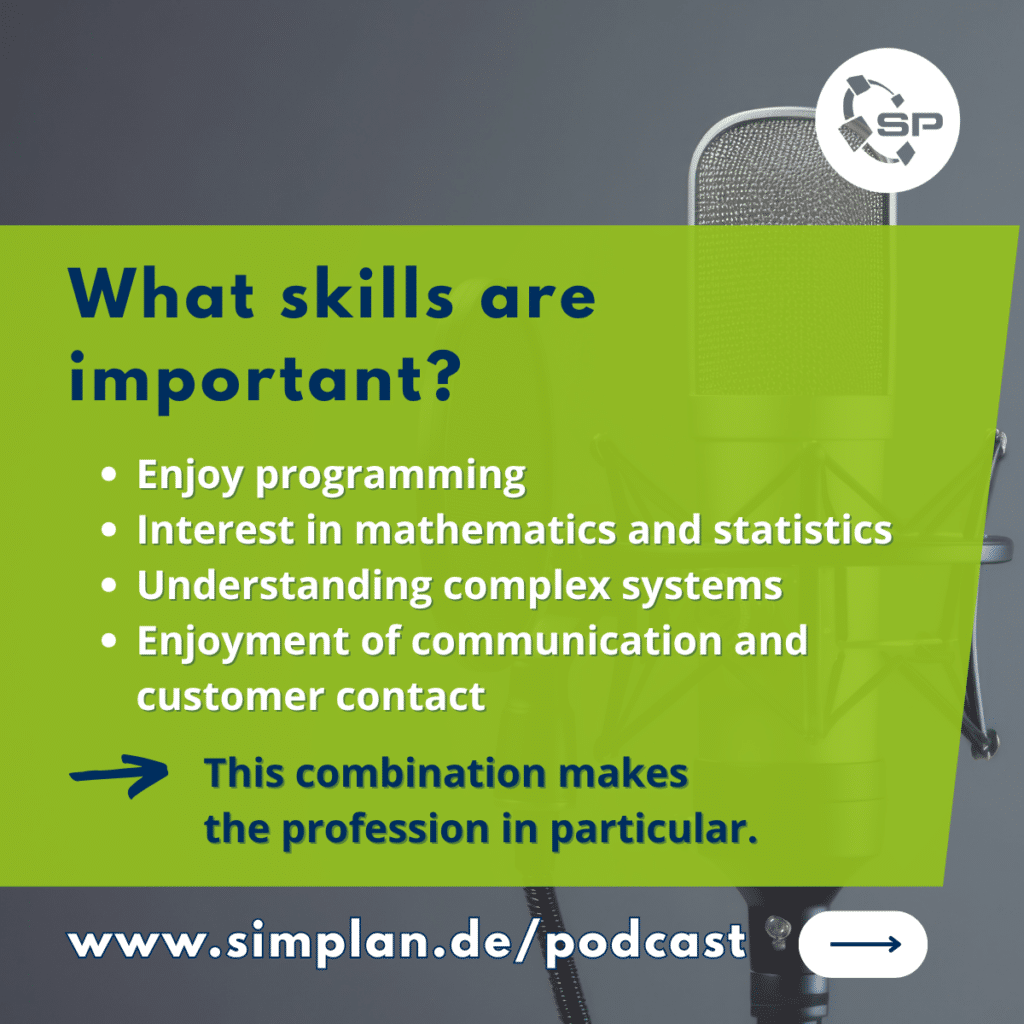
If you agree with several of the statements below, you’re already well-suited to this role.
- You enjoy programming or would like to further develop your skills.
- You have a flair for maths, statistics and logical thinking.
- You enjoy analysing complex interrelationships.
- You like to work in a structured way and seek out better solutions.
- You’re interested in production and logistics systems.
- You enjoy working in a team and interacting with customers.




What your day-to-day work will look like
No two projects are the same. Depending on the task, you’ll work across different industries and technologies. Your responsibilities will include, amongst other things:
- Carrying out simulation projects independently
- Analysing material flows and production systems
- Developing, setting up and validating simulation models
- Programming control and decision-making logic
- Carrying out and evaluating simulation experiments
- Optimising processes and material flows
- Documenting and presenting the results
- Advising our clients
- Collaborating on research and development projects
Which degree programmes are suitable?
Many of our colleagues have a technical or scientific background. For example:
- Industrial Engineering
- Mechanical Engineering
- Computer Science
- Business Informatics
- Mathematics
- Natural Sciences
- Logistics
More important than the exact degree programme are analytical thinking, programming skills and a passion for understanding complex systems.
What surprises many
Many believe that in-depth knowledge of production is the most important requirement. In fact, programming, statistics and a grasp of mathematics are the crucial foundations. You’ll develop your specialist knowledge of production and logistics systems through day-to-day project work alongside experienced colleagues.
How we work together
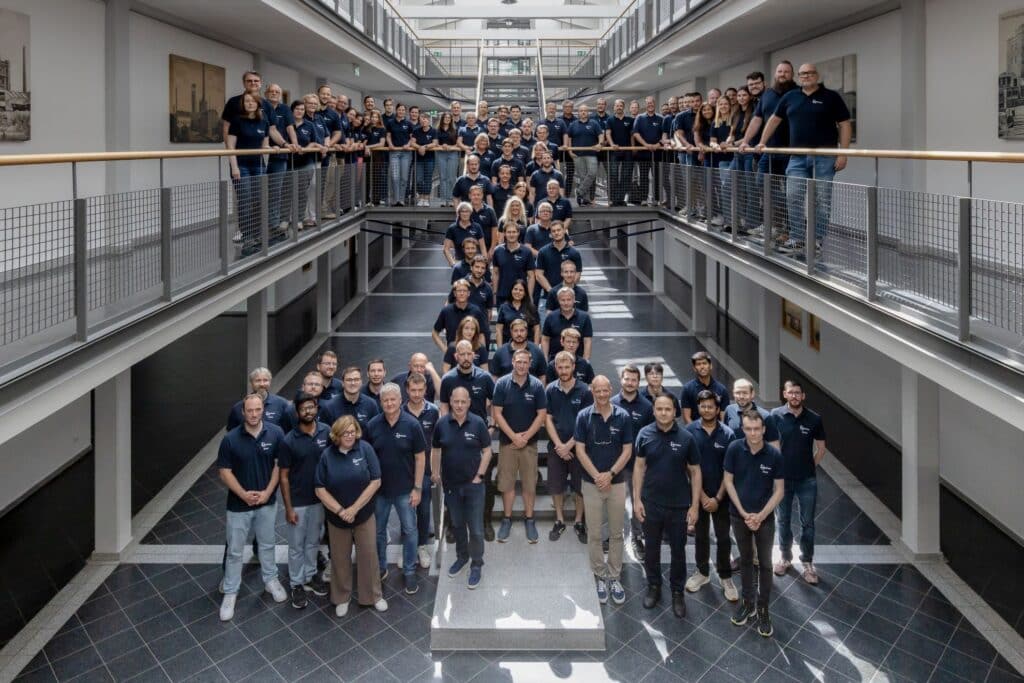
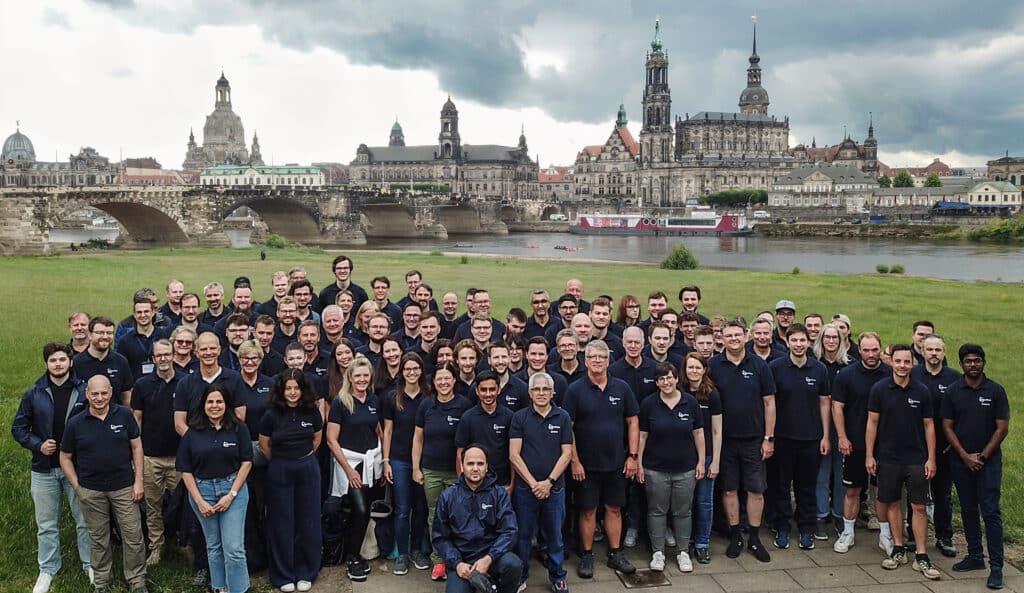
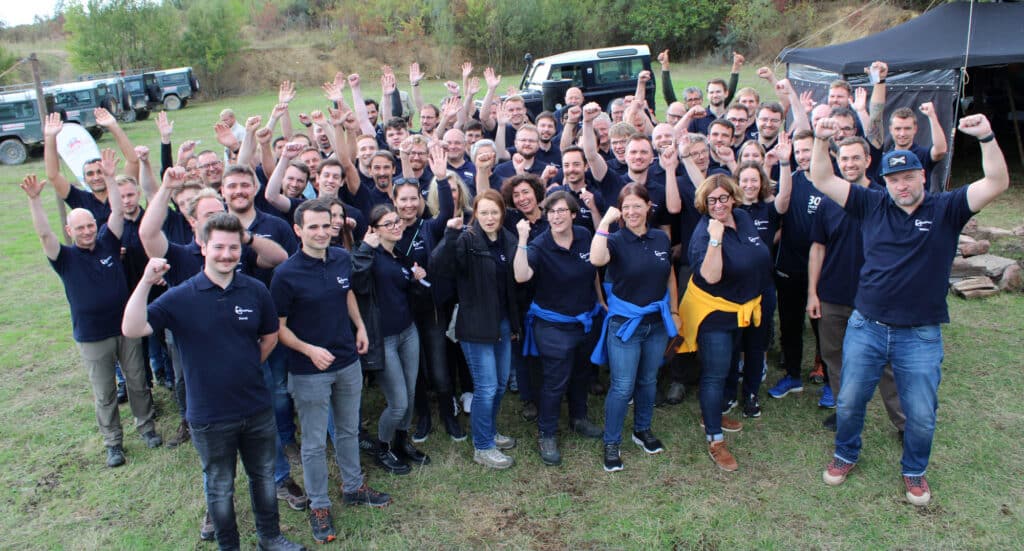
Of course, you’ll be working on exciting simulation projects with us. But it’s just as important to us that you feel at home from day one. At SimPlan, you can expect short decision-making processes, helpful colleagues and a working atmosphere where we support one another. Asking questions is actively encouraged. So are new ideas.
We don’t just spend time together on projects, but also outside of them. Whether it’s a company outing, a Christmas party or lunch together – team spirit is part of our everyday working life.


What our team say
“I never thought I’d be taking on responsibility for real client projects so early on.”
“No two projects are the same. That’s exactly what makes this job so exciting.”
“You learn something new every day, both professionally and personally.”
You are currently viewing a placeholder content from YouTube. To access the actual content, click the button below. Please note that doing so will share data with third-party providers.
More InformationYou are currently viewing a placeholder content from YouTube. To access the actual content, click the button below. Please note that doing so will share data with third-party providers.
More InformationYou are currently viewing a placeholder content from YouTube. To access the actual content, click the button below. Please note that doing so will share data with third-party providers.
More InformationReady to get started?
Whether it’s an internship, a part-time student role, a dissertation or a direct entry role: we look forward to getting to know you.